

5mm reflective glass price
Levels of Spirits Understanding the Dynamics of Emotional and Mental States The concept of levels of spirits pertains not only to the emotional wellbeing of individuals but also to the broader spectrum of human experience. From the ebbs and flows of daily life to the enduring influence of our environment and relationships, our spirits can fluctuate dramatically. This intricate interplay defines how we perceive our world and how we engage with it. Understanding Spirits At its core, spirits refer to the emotional and psychological states that can range from high vibrancy and joy to deep despair and lethargy. These levels can be influenced by numerous factors, including personal experiences, social interactions, physical health, and even external circumstances. Understanding this framework is essential for promoting mental health and well-being. The Spectrum of Spirits 1. High Spirits When individuals experience high spirits, they typically exhibit feelings of joy, enthusiasm, and a zest for life. This state is characterized by increased energy levels, optimism, and a sense of fulfillment. People in high spirits are often more productive and creative, leading them to proactively tackle challenges and pursue their goals. 2. Moderate Spirits In this state, individuals feel relatively stable and secure but may not be experiencing the heightened joy that characterizes high spirits. This balanced level often allows people to manage their responsibilities effectively, engage in social interactions, and appreciate the small pleasures in life. Moderate spirits can serve as a foundation for growth and achievement. 3. Low Spirits Low spirits can manifest as feelings of sadness, anxiety, or frustration. This emotional state can arise from several causes, including stressors in personal life, work-related pressures, or health concerns. While experiencing low spirits is a natural part of life, prolonged periods in this state can lead to more serious mental health challenges, such as depression or anxiety disorders. 4. Very Low Spirits This level is often seen in situations of significant distress. Individuals may feel hopeless or disconnected from their surroundings, leading to a state of emotional numbness. It is crucial to recognize when one has reached this level, as it often requires intervention. Reaching out for help or finding support systems is vital for recovery and moving back towards higher levels of spirits. Influencing Factors Several factors influence our spirits and how they fluctuate. These include levels of spirits - Social Connections Relationships play a significant role in shaping emotional levels. Supportive friends and family can uplift an individual’s spirits, while toxic relationships may contribute to low spirits. - Physical Health Physical well-being is closely intertwined with emotional health. A balanced diet, regular exercise, and sufficient sleep can enhance overall mood and energy levels. - Mindfulness and Self-Care Engaging in practices like meditation, journaling, and self-reflection can facilitate a deeper understanding of one’s feelings and improve emotional regulation. Self-care rituals also provide necessary breaks from daily stressors. - Environmental Factors The surrounding environment, including workplace culture, community support, and climate conditions, can heavily impact spirit levels. A positive and nurturing environment can foster higher spirits. Moving Between Levels Understanding that our spirits can fluctuate is crucial. During challenging times, it is essential to remember that it is normal to experience low spirits. Implementing strategies to transition back to higher levels can be beneficial - Seek Support Connecting with loved ones or mental health professionals can provide guidance and encouragement during difficult phases. - Engage in Activities Participating in hobbies or activities that bring joy can elevate spirits. Exercise, art, and community involvement can be especially helpful. - Practice Gratitude Focusing on positive aspects of life can shift perspective and cultivate a sense of appreciation, enhancing overall spirit levels. In conclusion, the levels of spirits encompass a range of emotional and psychological states that profoundly impact our lives. Understanding these levels, recognizing their fluctuations, and learning strategies to navigate them is vital for personal fulfillment and well-being. As we become more aware of our emotional dynamics, we empower ourselves to foster resilience and lead a more balanced life.
about
5mm reflective glass price
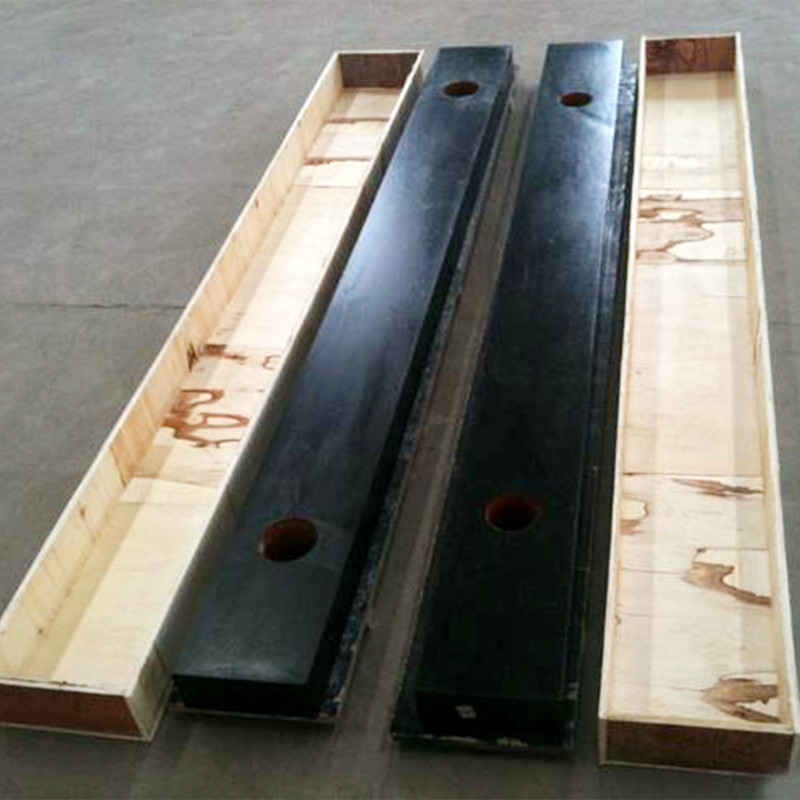
Understanding Precision Surface Plates A Key Tool in Metrology Precision surface plates are vital instruments in the field of metrology and manufacturing, providing a stable and accurate reference plane for various measuring and checking tasks. These plates are essential for a wide array of applications, including dimensional inspection, assembly work, and the calibration of measuring instruments. In this article, we will explore the importance, characteristics, and applications of precision surface plates, as well as best practices for their maintenance. The Importance of Precision Surface Plates Precision surface plates serve as a foundational tool for ensuring accuracy in measurements. Their primary purpose is to provide a consistent flat surface against which other objects can be measured or verified. This is crucial in industries such as aerospace, automotive, and electronics, where even the slightest measurement error can lead to significant issues in product quality, safety, and performance. When an object is placed on a precision surface plate, it can be measured using various techniques, such as calipers, micrometers, or coordinate measuring machines (CMMs). The flatness and stability of the surface plate allow for reliable measurements, helping to ensure that components fit together properly and function as intended. Characteristics of Precision Surface Plates Precision surface plates are typically made from materials like granite, cast iron, or steel. Each material has its advantages 1. Granite Known for its exceptional hardness and resistance to wear, granite is a popular choice for precision surface plates. It is also stable under varying temperature conditions, which is essential for maintaining accuracy over time. 2. Cast Iron Cast iron plates are durable and can offer good vibration damping properties. However, they may require more maintenance to prevent rust and wear compared to granite surfaces. 3. Steel Steel plates are often less expensive and can be very rigid. However, they are susceptible to corrosion and may not provide the same level of accuracy and longevity as granite or cast iron options. Common features of precision surface plates include - Flatness The surface must be within a specific tolerance to ensure accurate measurements. - Hardness The material must resist wear and deformation over time. - Size and Shape Plates come in various sizes, depending on the application, with most designed as rectangular or square shapes. Applications of Precision Surface Plates precision surface plate Precision surface plates are used in various applications across different industries 1. Inspection and Measurement They are used extensively in quality control to measure the flatness of workpieces and to perform precise dimensional checks. 2. Assembly and Layout In assembly tasks, surface plates provide a level reference for accurately aligning components before fastening or machining. 3. Calibration Surface plates are often used to calibrate measuring instruments, ensuring that they produce reliable and accurate readings. 4. Manufacturing In manufacturing settings, they serve as a base for CNC machines and other tools to ensure that parts are produced to the required specifications. Best Practices for Maintenance To ensure the longevity and accuracy of precision surface plates, proper maintenance is essential - Regular Cleaning Surface plates should be cleaned regularly to remove dust and debris. This prevents contamination that can affect measurement accuracy. - Periodic Calibration Regular calibration checks are necessary to ensure the surface plate maintains its specified flatness and does not degrade over time. - Avoiding Damage Care should be taken to avoid dropping heavy objects on the surface plate, as this can cause chips or dents that impact flatness. - Environmental Control It’s important to store surface plates in a controlled environment, away from extreme temperatures and humidity, to prevent material expansion or contraction. Conclusion Precision surface plates are indispensable tools in the realm of precision measurement and manufacturing. Their ability to provide a stable and flat reference surface is critical for achieving accuracy in various applications. By understanding their characteristics, applications, and maintenance requirements, industries can ensure they make the most of these essential measuring instruments, ultimately leading to improved product quality and operational efficiency. In a world where precision matters more than ever, the significance of precision surface plates cannot be overstated.
-

High quality industrial productsagement

High quality industrial products
View Details -

Meet the diverse needs of customers

Meet the diverse needs of customers
View Details -

Strict quality control

Strict quality control
View Details -

Top raw materials

Top raw materials
View Details -

Trusted supplier

Trusted supplier
View Details
Our application


news and information

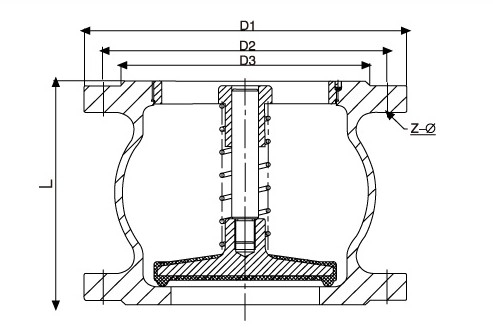
Valve for Sale Top Quality Guaranteed
Discover the perfect valve for your specific needs with our comprehensive guide to valves for sale.
Válvula de globo com 2% de eficiência em sistemas hidráulicos industriais
Válvula de Bola de 2” x 1” x 2” Uma Solução Eficiente para Controle de Fluxo As válvulas têm um pape
Water Valve Fails to Close Properly Leading to Leakage Issues and Concerns
Troubleshooting a Water Valve That Won't Shut Off Water valves play a crucial role in home plumbing
 English